

by The Mesothelioma Center
Mesothelioma is a rare and aggressive cancer. About 3,000 people are diagnosed each year in the U.S. It develops in the mesothelium, the thin protective lining around organs, most often the lungs, but it can also form in the abdomen, heart, and, in rare cases, the testes1.
As the Mayo Clinic notes, “Experts believe that being around asbestos causes many mesotheliomas. But not everyone with mesothelioma has been around asbestos. Exactly what causes the cancer may not be known.”2.
For much of the 20th century, asbestos, a naturally occurring mineral, was commonly found in construction materials, insulation, roofing, flooring, automotive parts, and even household products (Figure 1).
Because of its versatility and low cost, asbestos became deeply embedded in everyday environments, including homes, schools, and workplaces. However, as early as the mid-1900s, researchers began linking asbestos exposure to serious health risks. Despite growing scientific evidence, regulatory action was slow, and its use was allowed until recently3.
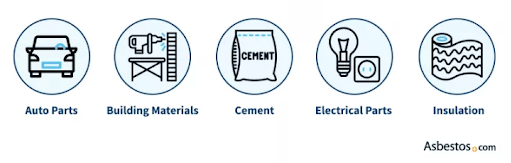
Figure 1. Common Uses of Asbestos.
Why It Often Goes Undetected
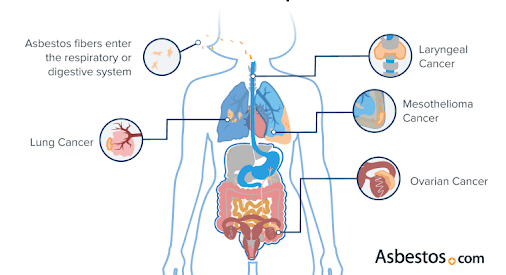
Figure 2. The inhalation or ingestion of asbestos fibers increases the risk of DNA mutations that can increase the risk of cancer.
When asbestos fibers enter the body through inhalation or ingestion, they are extremely difficult for the body to eliminate. Their microscopic size and needle-like shape allow them to become lodged deep within tissues, where they can remain for decades.
Over time, these fibers trigger chronic inflammation as the immune system attempts, and fails, to break them down or remove them. This persistent inflammation can lead to scarring and cellular damage.
In addition, asbestos fibers can interfere directly with normal cell processes, causing damage to DNA. This damage may disrupt how cells grow and divide, increasing the risk of mutations that can eventually lead to cancer.Because the fibers remain in the body and continue to cause irritation and genetic damage over many years, mesothelioma can take decades to develop. This explains why people exposed to asbestos earlier in life may not experience symptoms until much later1 (Figure 2).
Who is at Risk?
Mesothelioma is linked to jobs where asbestos exposure was common. That includes workers in construction, shipbuilding, insulation, plumbing, electrical work, manufacturing, and demolition.
Veterans, especially those who served in branches where asbestos-containing materials were widely used, may also face elevated risk. It is also important to remember that asbestos exposure is not always direct. Family members can be exposed when fibers are brought home on clothing, shoes, or skin, and there is no safe level of asbestos exposure1, 2.
Prognosis and Symptoms
Mesothelioma is commonly detected only after it has progressed, since symptoms may not emerge until 20 to 60 years after exposure. This late diagnosis is a key reason for its poor prognosis, with a 5-year survival rate typically between 5% and 12% for pleural mesothelioma (cancer that develops in the chest, around the lungs), which account for 80-90% of all mesothelioma diagnosis. Peritoneal mesothelioma (in the abdomen) is less common and has a 65% 5-year-suvival rate1.
Early symptoms can be easy to dismiss because they often look like more common conditions such as pneumonia, bronchitis, the flu, or digestive problems. That overlap can make early diagnosis difficult. A person might notice:
- Shortness of breath
- Chest pain
- Persistent cough
- Fatigue
- Unexplained weight loss
- Fever
- Loss of appetite
As the disease progresses, symptoms can become more severe and may include worsening breathing problems, swallowing difficulty, bowel obstruction, or significant pain, depending on the location of the cancer.
Treatment and Hope
Mesothelioma is treatable but not curable. Standard treatment options include chemotherapy, immunotherapy, surgery, and radiation, with the exact plan depending on the type, stage, and overall health of the patient.
In the United States, significant action was not taken until recently3. In 2024, the Environmental Protection Agency (EPA) finalized a rule banning the ongoing use, import, and processing of chrysotile asbestos, the last type still used in the country.
However, the policy is not an immediate, universal ban. Some industries are allowed phased transition periods of several years to move away from asbestos, and older buildings and products may still contain what are known as “legacy” asbestos materials. This means that while new uses are being eliminated, exposure risks have not disappeared.
For anyone with a history of asbestos exposure, unexplained respiratory or abdominal symptoms should not be ignored. A conversation with a doctor about exposure history, screening, and next steps may help lead to earlier detection and faster access to specialized care.
The more people understand about the connection between asbestos exposure and mesothelioma, the better prepared they are to recognize symptoms early and seek the care they need.
- The Mesothelioma Center (13 March 2026), Mesothelioma. asbestos.com. Retrieved from https://www.asbestos.com/mesothelioma/. ↩︎
- Mayo Clinic (December 05 2024), Mesothelioma. mayoclinic.org. Retrieved from https://www.mayoclinic.org/diseases-conditions/mesothelioma/symptoms-causes/syc-20375022. ↩︎
- U.S. Environmental Protection Agency (EPA) (21 January 2026), EPA Actions to Protect the Public from Asbestos Exposure. epa.gov. Retrieved from https://www.epa.gov/asbestos/epa-actions-protect-public-exposure-asbestos. ↩︎
Disclaimer
This article was contributed by The Mesothelioma Center as Asbestos.com, sponsored by law firms, and includes information that helps connect individuals affected by asbestos to understand avaiable medical, financial, and legal resources. The content is scientifically reviewed by experts and offered free of charge for educational purposes to help raise awareness about asbestos exposure, mesothelioma, and related diseases.
The Mesothelioma Center
The Mesothelioma Center (located at Asbestos.com) is the most utilized advocacy organization and comprehensive information repository in the United States for patients and families impacted by mesothelioma and other toxic asbestos-related illnesses. Founded in 2006 and based in Orlando, Florida, the organization offers completely free services to ensure patients can easily navigate the logistical, financial, and medical hurdles that follow a rare cancer diagnosis.

 Within Oncology
Leave a comment